Abandoned Macaque Punch: The Full Story Behind His Viral Fame
In the vast landscape of internet phenomena, some stories transcend mere fleeting trends, embedding themselves in our collective hearts. Such is the tale of Punch, the baby macaque from Japan, whose journey from abandonment to global viral fame has captivated millions. Known affectionately as Punch-kun in his native country, this young primate at the Ichikawa City Zoo and Botanical Gardens has become an emblem of resilience, the power of unconventional comfort, and the dedication of zookeepers. But beyond the adorable images of a tiny monkey clutching a stuffed toy, there's a deeper, more complex narrative, including a recent video that had many wondering about a seeming "punch" incident. Let's delve into the full story of this extraordinary
punch baby monkey and uncover why his saga resonates so profoundly.
The Heartbreaking Origin Story of Punch, the Abandoned Macaque
Punch's remarkable life began on July 26, 2025, a day that marked both his birth and an immediate challenge. Born at the Ichikawa City Zoo in Chiba Prefecture, Japan, Punch was a tiny bundle of potential, but shortly after his arrival, his mother abandoned him. This is a heartbreaking reality for any newborn, especially in the animal kingdom where maternal care is paramount for survival.
Zookeepers at Ichikawa City Zoo believe that the abandonment may have stemmed from the harsh environmental conditions at the time of Punch's birth. A significant heatwave was gripping the region, leading staff to surmise that his mother was likely heat-stressed, potentially impacting her ability or willingness to care for her offspring. This unexpected turn of events left Punch vulnerable and entirely dependent on human intervention. The dedicated zoo staff immediately stepped in, beginning the arduous process of hand-rearing the fragile infant, a task that required immense commitment and understanding of macaque needs.
Ora-Mama: The Unlikely Comfort of a Stuffed Orangutan
One of the most critical aspects of macaque development is the constant physical contact with their mother. Baby macaques instinctively cling to their mothers, a behavior that is vital not just for comfort and security, but also for building muscle strength, developing coordination, and learning crucial social skills. Without his biological mother, Punch was missing this foundational experience.
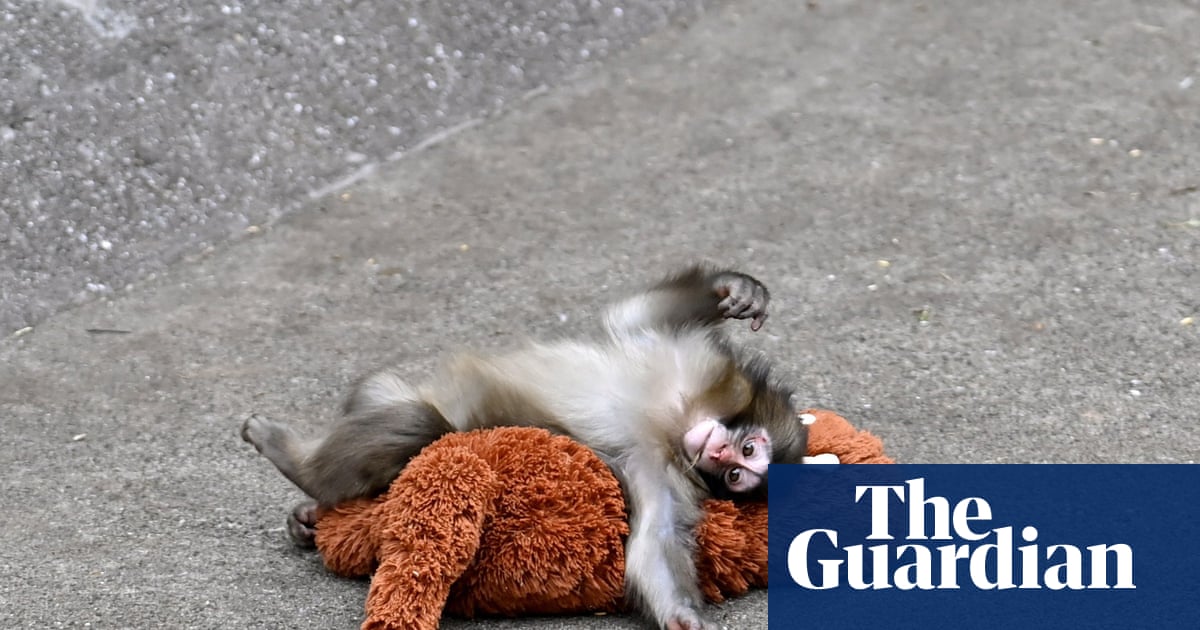
The zookeepers, understanding this inherent need, embarked on an experimental mission to find a suitable surrogate. They initially tried various items, including rolled-up towels and other stuffed animals, seeking something that could mimic the physical presence and comforting texture of a mother. Their search led them to an unexpected hero: a stuffed orangutan from IKEA’s Djungelskog collection. This plush toy, dubbed "Ora-mama" (a portmanteau of "orangutan" and "mama"), quickly became indispensable to Punch.
Ora-mama provided the tactile comfort Punch craved, allowing him to practice clinging, grooming, and forming an attachment that was essential for his psychological and physical well-being. Photos and videos of Punch dragging, hugging, and even "grooming" his oversized orange companion melted hearts worldwide. Zookeepers like Kosuke Shikano were instrumental in facilitating this bond, often placing Ora-mama strategically or allowing Punch to cling to their own legs to further reinforce the idea of a comforting presence. This unique arrangement became a testament to the ingenuity and compassion of animal care professionals, providing Punch with a vital anchor in his early development. For more insights into this incredible bond, you can read
Meet Punch: The Baby Monkey & His Viral IKEA Comfort Toy.
The Viral Sensation: From Zoo Enclosure to Global Phenomenon
It didn't take long for Punch's story, particularly his endearing bond with Ora-mama, to explode across the internet. Videos and photographs of the tiny macaque diligently clutching and dragging his plush orangutan went viral, eliciting an outpouring of adoration and empathy from millions across the globe. People were captivated by the bittersweet narrative: a vulnerable baby finding solace in an inanimate object, cared for by dedicated humans.
This global sensation had an unforeseen ripple effect on consumer markets. The IKEA Djungelskog orangutan plushie, once just another item on the shelves, became an overnight must-have. Driven by the "Punch effect," the toy quickly sold out worldwide. Demand soared, leading to a vibrant, albeit pricey, resale market. On platforms like eBay, the once-affordable plushie began fetching hundreds of dollars, with some listings going for exorbitant sums. If you're considering joining the hunt for your own Ora-mama, remember to factor in potential international shipping costs, which can significantly add to the final price. This phenomenon highlights the immense power of viral content to influence purchasing trends and create unexpected market value. Discover more about this fascinating trend in
Why Punch the Monkey's Stuffed Orangutan is Selling for Hundreds.
The "Punch" Incident: Understanding the Scolding Video
While Punch's journey has largely been one of heartwarming adorableness, a recent viral video introduced a more complex, albeit natural, aspect of his life. The video appeared to show an older macaque interacting with Punch in a way that many viewers interpreted as "scolding" or even a "punch." Understandably, this sparked concern among his global fanbase.
However, the Ichikawa City Zoo was quick to clarify the nature of the interaction. They stated that while Punch was indeed being "scolded," he showed "resilience and mental strength." This incident is a crucial part of Punch's ongoing development and integration back into a proper macaque social group. As much as Ora-mama provided vital early comfort, Punch must eventually learn the complex social dynamics of his species from other macaques.
The Importance of Social Integration for Macaques
For any social animal, especially primates, learning to navigate group hierarchies, understand body language, and respond to social cues is paramount for long-term well-being. A "scolding" or firm interaction from an older, more dominant monkey is often a natural part of this learning process. It teaches younger macaques boundaries, acceptable behaviors, and their place within the group structure. While it might look harsh to human eyes, it’s an essential lesson in macaque etiquette, preparing Punch for a functional life among his peers. The zoo's efforts to reintroduce Punch to his group earlier in the month underscore their commitment to ensuring he develops these critical social skills, moving beyond his reliance on Ora-mama for all his needs.
Beyond the Hype: Lessons from Punch's Story
Punch's viral fame offers more than just cute content; it provides valuable insights and prompts important discussions.
*
Conservation and Animal Welfare Awareness: Punch's story shines a spotlight on the dedicated work of zoos and animal care professionals. It educates the public about the complex needs of primates and the challenges faced by abandoned or vulnerable animals, implicitly raising awareness for broader conservation efforts.
*
Empathy and Connection: The global embrace of Punch demonstrates humanity's deep capacity for empathy towards animals. His story creates a powerful connection, reminding us of our shared vulnerability and the universal need for comfort and care.
*
The Science of Animal Care: The zookeepers' innovative use of Ora-mama highlights the scientific approach to animal welfare. It wasn't just a random toy; it was a carefully chosen tool to address specific developmental needs, illustrating the thoughtful strategies employed in modern zoological care.
*
The Power of the Internet: Punch's journey from a small zoo in Japan to a global sensation underscores the unparalleled reach of the internet, capable of uniting people across cultures around a single heartwarming (and sometimes challenging) narrative.
Punch, the
punch baby monkey, is more than just a viral sensation; he is a symbol of resilience, the power of unconventional comfort, and the tireless dedication of those who care for our planet's creatures. His story continues to unfold, serving as a powerful reminder of the delicate balance between wild instincts and human intervention, all while teaching us a little more about empathy, growth, and the surprising comfort found in a stuffed orangutan. As he continues to grow and integrate into his macaque community, we'll undoubtedly watch with anticipation, cheering on his every step towards a fulfilling life.